Exploring the Role of Action Mechanics in Game-Based Stress Recovery

summary
Sixty participants undergo a stress induction then play a modded Risk of Rain 2 for 15 minutes across three conditions: Combat-Required, Combat-Optional, Combat-Free. Self-report and physiology (heart rate, electrodermal activity) show all conditions return stress to baseline, but trade-offs emerge: Combat-Free yields the largest relaxation and heart-rate drop, while conditions with action mechanics raise electrodermal arousal yet increase perceived mastery and control. Choice of game mechanics therefore depends on whether relaxation or reasserting competence is the recovery goal.
AI-written summary · about
related talks
 03mExploration of Player Emotions, Behaviours, and Individual Differences across Game Difficulty...
 06m"Let’s Get Physiological, Physiological!": A Systematic Review of Affective Gaming
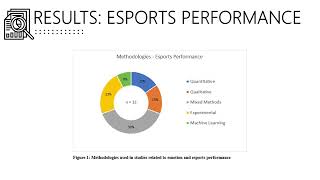 08mPlaying with Emotions: A Systematic Review Examining Emotions and Emotion Regulation in Esports...
 13mRepresentation and Frequency of Player Choice in Player-Oriented Dynamic Difficulty Adjustment ...
 14mPower-Ups in Digital Games: The Rewarding Effect of Phantom Game Elements on Player Experience
 19mTime To Resolve
 08mObjective Difficulty-Skill Balance Impacts Perceived Balance but not Behaviour: A Test of Flow an...
 08mThe Effect of Gamification Mechanics on User Experiences of AdventureLEARN: a Self-driven...