Human-AI Collaboration in Cooperative Games: A Study of Playing Codenames with an LLM Assistant
summary
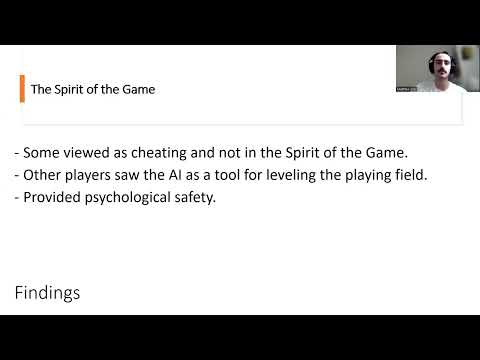
Study tests an LLM assistant helping clue-givers in Codenames with 54 participants across ten groups, each playing three rounds. The assistant reliably boosts convergent and divergent clue generation and reduces novice anxiety, but it creates hidden information (a laptop barrier), makes theory-of-mind reasoning harder, and weakened intra-team bonds while strengthening inter-team ties. Players sometimes call its suggestions cheating, sometimes anthropomorphize it, and designers must trade accessibility for loss of high-level, collaborative reasoning.
AI-written summary · about
related talks
 26mAI Agents and the Future of Human-AI Collaborative Intelligence
 25mAI vs. AI: How to Test AI Systems Using AI
 16mBeyond LLMs - The Next Frontier of Machine Reasoning
 55mThe Role of Conventions in Adaptive Human-AI Interaction
 33mAI is coming for your job
 30mUsing AI to Create Better Requirements and Designs
 10mRethinking collaboration: LLMs, teams, and cognitive load
 26mHow Bad Actors AbUse LLMs The Mechanisms That Enable Misuse and What We Can Do About