Emotional Virtual Characters for Improving Motivation and Performance in VR Exergames

summary
VR exergame with a humanoid lion coach (happy, angry, neutral) measures heart rate, self-reported emotion, motivation, and punch speed in 47 participants. Happy coach uses praise, gifts and fluid body language and increases happiness and motivation; angry coach uses negative feedback and punishment, raises anger and yields the highest mean punch speed but lowers relatedness. Study finds a positive correlation between anger and punch speed, confirms exertion via heart rate, and notes limitations about isolating facial contagion and individual coach preferences.
AI-written summary · about
related talks
 07mAdvantages of Friend-Modelled Social Interactive Feedforward for VR Exergaming
 05mThat’s the way I (dis-)like it! – Effect of Gamer Types and Competitiveness in VR Exergaming
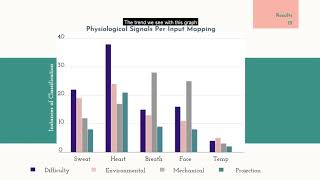 06m"Let’s Get Physiological, Physiological!": A Systematic Review of Affective Gaming
 07mEnhancing In-game Immersion Using BCI-controlled Mechanics
 08mAh-Aloud Method to Comprehend Time-Series Emotion Observation During Gameplay: An Initial Investi...
 08mFrom Novelty to Clinical Practice: Exploring VR Exergames with Physical Therapists
 18m"An Odd Kind of Pleasure": Differentiating Emotional Challenge in Digital Games
 33mNavigating the Emotional Flow of Gameplay