Playing with Friends or Strangers? The Effects of Familiarity between Players in an Asymmetric...
summary
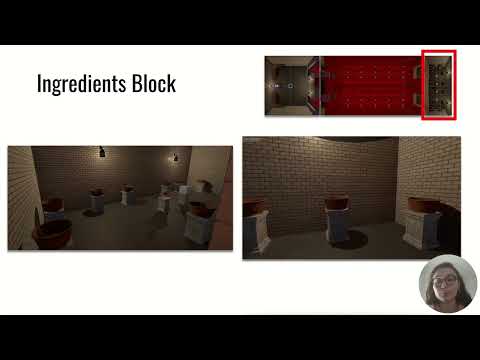
Built an asymmetric VR game where two VR players trade asymmetric information across a cauldron, maze, and ingredients areas with strategic interdependence, 10 minutes per session. Tested with 7 dyads (N=14) in a between-participants friends vs strangers design. Measured player experience, social experience, and performance; most metrics show no significant difference, but social closeness increases for strangers. Implementation demonstrates asymmetry can generate high SX and PX in VR even without prior familiarity.
AI-written summary · about
related talks
 01mMOFA The Ghost: Demonstrating an Asymmetrical Social Exertion Game in Spontaneous Collocated Mixe...
 08mVirtual Objects as Spatial Cues in Collaborative Mixed Reality Environments: How They Shape ...
 33mMultiplayer Design in VR Gaming
 05mFalling Asleep Together: What Makes Activities in Social Virtual Reality Meaningful to Users
 12mRemote Collaboration With Mixed Reality Displays: How Shared Virtual Landmarks Facilitate ...
 28mDesigning a Mixed Reality Game Experience
 03mComputer-based Deceptive Game Design in Commercial Virtual Reality Games: A Preliminary Investiga...
 13mAstaire: A Collaborative Mixed Reality Dance Game for Collocated Players