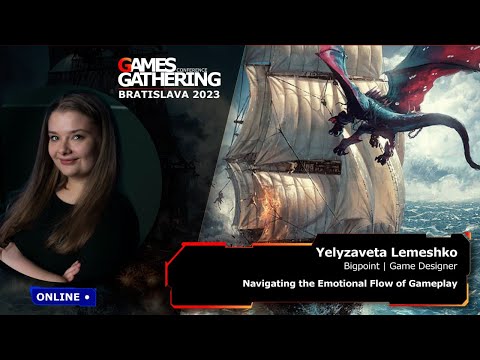
Navigating the Emotional Flow of Gameplay
summary
A practical method for mapping player emotion across a game: define progression and key moments, predict feelings at each beat, then link narrative, mechanics, audio, visuals and UI to hit those targets. Focus on four anchor emotions—joy sadness fear anger—and tune rewards, character arcs, soundscapes, lighting and unfairness accordingly; examples cited include Children of Morta, Last Day of June, Phasmophobia and Multiverses. Validate with diversified playtests, iterate emotional curves, and watch analytics correlation before launch using an emotional map.
AI-written summary · about
chapters (13)
- 0:00Introduction
- 1:52Emotions in gameplay design
- 4:04Gameplay flow and emotions
- 7:41Key moments and mapping
- 9:12Emotions through game elements
- 10:21Four core emotions
- 13:37Fear and anger in games
- 16:10Elements for emotional flow
- 16:53Emotional flow chart
- 19:09Player types and responses
- 22:02Playtesting emotions
- 24:12Balancing intensity
- 26:03Q&A
related talks
 03mUnderstanding the Design of Emotionally Impactful Game Feel
 34mGames ≠ Subjective: How to craft engaging experiences by knowing your players
 21mHow to lay the foundations for compelling storytelling in games
 53mCreating Emotional Engagement Through Narrative and Game Design
 58mNarrative Crossing: New horizons
 20mThe future of gaming is empathy: The key to retaining players
 18m"An Odd Kind of Pleasure": Differentiating Emotional Challenge in Digital Games
 32mMake Your Players Cry Grief, Loss and Identity in Games