How to lay the foundations for compelling storytelling in games

summary
Get a writer at concept stage and plan design and story side by side so mechanics inform narrative and narrative informs mechanics; expect ripple effects when levels or systems change and consult writer before cutting content so scraps of exposition can be relocated cheaply. Infuse level design with environmental storytelling, barks, books and mission stakes, and build characters with believable motivations so players care. Example: a simple puzzle game like Spooky Spirits becomes emotionally driven by episodic character beats.
AI-written summary · about
chapters (10)
- 0:00Game storytelling intro
- 1:04Writers in concept stage
- 3:35Trust writers' craft
- 5:02Shared team understanding
- 8:38Organic narrative purpose
- 12:37Make players care
- 15:06Deep believable characters
- 17:33Stakeholder investment
- 18:55Narrative cuts damage
- 20:39Q&A
related talks
 45mNext-Gen Story Design: Immersive Process for Immersive Experience
 58mWriting & Narrative Design: A Relationship
 58mExperience, Agency and Authorship: The Evolving Face of Story-Driven Game Design
 40mHow to identify narrative opportunities in your game
 44mThe Basics of Interactive Storytelling
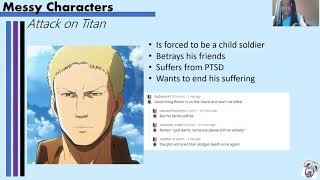 49mMessy characters and breadcrumb trails: Designing player investment
 50mI Think I Need a Writer: Tools for Troubleshooting Narrative
 46mWriting for Games - A Backstory