Hypercasual monetisation versus long-term retention monetisation
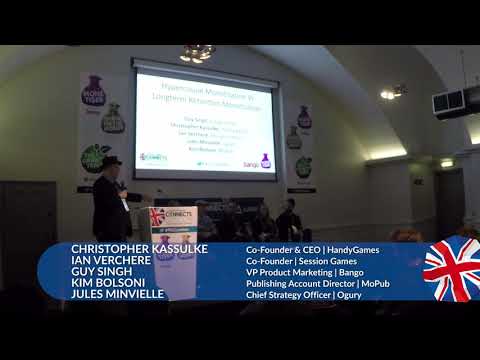
summary
Panelists compare concrete outcomes: moving a premium mobile title to Switch by removing loot boxes and shipping full features wins 8 million downloads and Google Editor’s Choice, while a Red Bull partnership drives 32–40 million downloads across organic channels. Data show hypercasual users have high uninstall after first week so ads must front-load revenue; longer‑retention games benefit from curated brand ads, subscriptions and DLC. Practical tools discussed include rewarded video, opt‑in ads, operator micro‑payments (Bango), MoPub mediation and Ogury audience data to target by buying behavior.
AI-written summary · about
chapters (8)
- 0:00Introduction and panel overview
- 1:50Premium games perspective
- 8:40Hypercasual monetization challenges
- 13:57Ad monetization strategies
- 22:03User behavior and retention differences
- 26:15Brand safety in game ads
- 30:55Ad length and user experience
- 34:26Key takeaways and closing tips
related talks
 49mMonetisation Design - A Story of Love and Retention
 37mPanel: The PG.Biz Panel: What’s Next for Hypercasual & Social Games?
 19mHyper-casual math
 44mPanel: What is Giving Hypercasual its Longevity? The Recipe for a Successful Game
 30mGrowth in Hypercasual and Ad Monetisation
 46mPanel: Alternative ways to Monetise Your Games
 18mRide the "Hybrid-Casual" Wave to Enhance User Engagement & Monetization
 50mPanel: How to Optimise Revenue & Retention for Your Games