The vitality of visual storytelling in games

summary
Argues that visual storytelling moves design decisions and saves money by using concept art is cheap to lock composition, color and usability before production, cites Horizon Zero Dawn, Thomas Was Alone and Zelda as examples of consistent world rules and Hellblade for audio as UI, warns against feature creep when licensing IP, and shows an early-stage project called Clay — a roguelike post‑apocalyptic RPG that tries per‑player narrative tailoring — claiming the approach speeds iteration and keeps player priorities clear.
AI-written summary · about
chapters (12)
- 0:00Start
- 4:59Why Do We Play Game Play Games
- 5:33Design Process
- 9:33Horizon Zero Dawn
- 10:36Challenge Modes
- 12:31Why Concept Art Is Really Important
- 16:45Zelda
- 18:07Deadly Premonition and the Evil within
- 18:31From 2d to 3d
- 18:51Animation
- 20:30Priorities
- 21:11Hell-Blade
related talks
 35mWithout Vision, you'd be blind
 45mNext-Gen Story Design: Immersive Process for Immersive Experience
 32mDesigning with Heart and Head
 23mTalking narrative in games
 58mNarrative Crossing: New horizons
 28mUnseen: How Non-gamer Input can Change & Improve Art & Storytelling in Games
 01h 06mDreams of Electric Sheep - Aspirations for the Future of Game AI
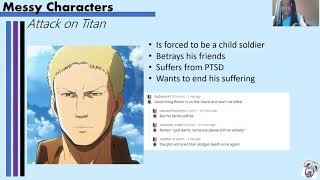 49mMessy characters and breadcrumb trails: Designing player investment