Creating a multi-generational esport in North America
summary
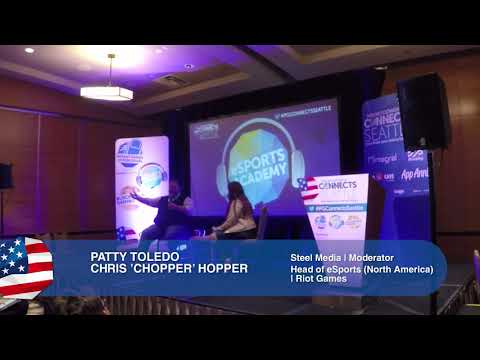
Riot describes concrete moves: franchising across 13 regions, requiring each LCS team to run an Academy team (doubling developmental rosters), running Scouting Grounds by inviting the top 20 unaffiliated ladder players into mock tournaments, placing League in 80+ colleges and 15–20 U.S. states as varsity, funding a third-party Players Association led by Hal Biagas, and securing sponsors like MasterCard, Alienware and State Farm while highlighting ad revenue gaps on digital distribution. Investment runs into the hundreds of millions.
AI-written summary · about
chapters (11)
- 0:00Introduction
- 1:13Riot’s esports milestones
- 2:36Multi-generational esports pyramid
- 4:20Sponsorships and media challenges
- 7:09Developer-led esports investment
- 9:17Supporting amateur and pro players
- 11:01Developing pro talent
- 14:33Empowering pro players
- 17:20Why esports will grow
- 19:08Advice for esports devs
- 21:34Franchising and team affiliation
related talks
 48mShaping eSports right
 31mSerious Play: Gaming Businesses
 45mPanel: The Esports Expansion: How Technology, Brands & Audiences Are Changing the Face of Gaming.
 43mFlipping the switch on collegiate Esports
 03mBreaks Down the Bright Broadcast Future of Esports
 19meSports will be bigger than traditional sports
 18mEsports and the Region's Players View on Competitive Play
 15mon investment, eSports, mobile MOBAs, and Europe's advantage