The Business of Art
summary
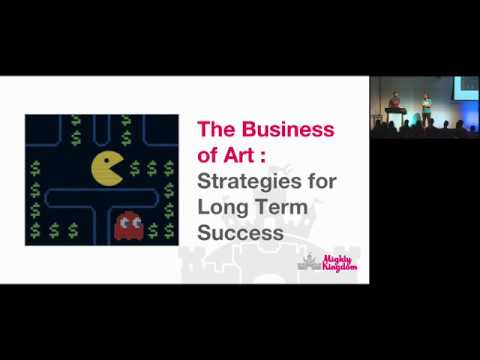
Argues that studios must be as good at running a business as at making art, and lays out concrete tactics: use Sensor Tower and PlaytestCloud to validate audiences, model KPIs (CPI, D1–D30 retention, revenue scenarios) before you start, budget paid marketing during soft launch, and prioritize minimizing time-to-failure with frequent, early releases. Offers a case: a licensed Shopkins bubble shooter that paid back by seeding an original game (Wild Life), showing licensing can reduce marketing risk while reusing tech and assets.
AI-written summary · about
chapters (6)
- 0:00Business of art intro
- 3:55Risk management for studios
- 15:00Product risks in dev
- 34:25Licensed vs original IP
- 44:23Risk as studio scales
- 46:31Q&A
related talks
 29mPanel: Beyond Downloads: The New Rules Of Games Marketing
 17mBuilding a Long-term Gaming App Business: Applying Lessons of the Past to Power Your Success
 21mMarketing and business on a budget for indie developers
 22mMaximising Your Odds of Success: Tips for Building Confidence in Your Game
 43mGame Developers Life Lessons
 32mDesigning with Heart and Head
 47mPitfalls of a Noisy Market - How to Do the Best You Can and Preparing for it Not Working Out
 32mSuperstar Session: Do not Resuscitate - Why Publishing Managers are Life-guards, not Undertakers