The Risk You Never Knew Existed: Security and the Gig Economy

summary
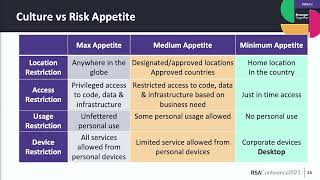
Gig workers now make up over 50% of global workers, a third of US workers, and 90% say they would freelance, with the gig workforce growing three times faster than usual; real incidents include a developer who mails his token to an offshore team and outsources his job for six figures. Recommended controls are tight written contracts and exit clauses, quick background checks, monitoring for short login bursts and data exfil patterns, and technical enforcement via virtual desktop (VDI), remote browser isolation, and a full Zero Trust stack with adaptive DLP and single‑pass policy enforcement.
AI-written summary · about
chapters (17)
- 0:00Intro
- 1:05Introduction to Gig Economy • What is the pe economy
- 5:45Business Digitalization
- 7:43How is the Gig Economy Different
- 9:48Gig Economy-Threats Insider threat: Malicious and non-malicious gig worker
- 13:55Risk Assessment for Gig Economy
- 14:49Using the Risk and Threat Assessment
- 15:13Administrative and Process Controls for Gig Worker
- 17:37Security for Gig Workers
- 18:00Remote Worker Controls
- 20:26Third-Party Contracts
- 22:18Gig Worker Best Practices
- 25:40Data Protection For Gig Workers Contextual controls that follow data and users
- 29:34Data Protection for a Zero Trust World
- 31:02VDI/RBI
- 32:54Information Rights Management
- 34:41Key Takeaways The gis economy is here to stay, and the rig worker represents a significant threat. Lean into the be worker to be successful
related talks
 46mSecurity Challenges of Cloud Native Companies with Remote Workers
 46mThe Human Factor: Building a Culture of Identity Security in a Decentralized Workforce
 41mCollaboration Without Data Loss: Keep IP From Leaking to Competitors
 30mSecurity Awareness with a Remote Team
 54mEmployees Are the New Perimeter- How the Pandemic Shaped Workforce Risk
 28mRe-thinking and Re-defining Enterprise Infrastructure Security
 31mGetting the Security and Flexibility Balance Right in a COVID-19 World
 53mThe ’Future of Work’(in Cybersecurity) Is Probably Not What Folks Think