The Human Factor: Building a Culture of Identity Security in a Decentralized Workforce

summary
Claims that identity is the new network perimeter, citing a 2022 study where 62% of workers report remote work and incidents that show gaps: Equifax lets attackers exfiltrate data for about 76 days via a vulnerable web portal, Colonial Pipeline pays a $4.4M ransom (FBI later recovers ~92%), MGM loses ~ $100M from a social‑engineering escalation. Practical controls advocated: MFA on privileged accounts, IAM/IGA, SSO plus zero trust, UBA, EDR/XDR, VPNs and microsegmentation.
AI-written summary · about
chapters (13)
- 0:00Introduction and welcome
- 1:07Remote work and identity security
- 3:52Human factor in cyber security
- 6:41Challenges of decentralized workforce
- 9:09Building security culture
- 11:17Solutions for identity security
- 15:10Zero Trust and single sign-on
- 19:03Identity and access management
- 21:08Best practices for remote workforces
- 26:02Case studies of major breaches
- 31:43Emerging identity security technologies
- 34:51Key takeaways and recommendations
- 38:43Q&A session
related talks
 45mApplying Past Lessons for Intel-Driven Identity Threat Detection
 19mBeyond Perimeters: Implementing Zero Trust at Enterprise Scale
 54mEmployees Are the New Perimeter- How the Pandemic Shaped Workforce Risk
 30mSecurity Awareness with a Remote Team
 23mAccess is the New Breach: Observability Must Start with Identity
 40mZero Trust: Regaining Trust in a Remote Work World
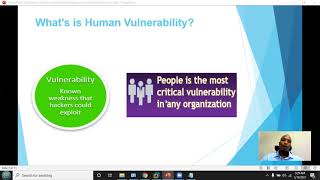 41mHuman Vulnerability Management and Assessment in the Age of Zero Trust
 46mSolving the Identity Security Crisis: A Guide to Today’s Top Threats