Security Awareness with a Remote Team

summary
Remote work keeps the same threats but removes central controls: email still delivers 83–93% of malware, LinkedIn scraping and display‑name spoofing fuel targeted campaigns, and connected devices grow from 15B (2015) to 20B (2020) with a projection to ~60B. Concrete steps: enable multi‑factor authentication, use a password manager with a strong master passphrase, apply OS and app patches immediately, segment guest and employee Wi‑Fi, report suspicious messages, and when in doubt throw it out.
AI-written summary · about
chapters (9)
- 0:00Introduction
- 2:35Cyber Security Awareness Month
- 10:15Malicious emails
- 17:58Voice activated devices
- 19:42Separate WiFi access
- 20:41Password expiration
- 22:08Prevention
- 24:05Email
- 27:19Conclusion
related talks
 40mTen Things to Include in Remote Work IT Risk Assessments
 54mEmployees Are the New Perimeter- How the Pandemic Shaped Workforce Risk
 48mSecurity from zero
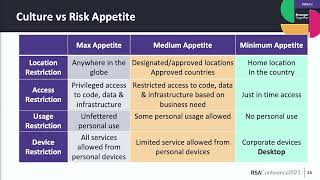 46mSecurity Challenges of Cloud Native Companies with Remote Workers
 30mGetting Engagement in the Midst of Chaos
 01h 02mA reasonable guide to security practices
 14mTop Security Threats to Mobile Devices in 2021 & Beyond
 46mThe Human Factor: Building a Culture of Identity Security in a Decentralized Workforce