Mirror, Mirror on the Wall, Human Behavior Reveals it All

summary
A human-centric systems model maps four changeable components — human behavior, implicit environment, organizational culture, proximity perspective — and uses behavioral analytics, sensors, email/web security and file/print logs to explain incidents: Heather clicks a phishing link after security was downgraded and gets locked out; Kevin prints a sensitive deck twice at a shared printer; Rita exfiltrates and sabotages data after chronic mistreatment. Recommendations are concrete: deploy behavioral-anomaly detection, track interpersonal signals and file access, apply systemic constraints where needed, favor error-tolerant mitigations and clearer policy communication.
AI-written summary · about
chapters (21)
- 0:00Introduction
- 0:22Mirror Truth
- 2:13Agenda
- 4:51Human Component
- 6:10Implicit Component
- 8:08Organizational Component
- 10:10Proximity Perspective
- 14:03Accidental Insider
- 16:02Implicit Human Behavior
- 18:04The Big Picture
- 19:08How Do We Deal With It
- 20:59Kevin
- 22:59Human Behavior
- 24:08Home Office
- 25:02Organizational Culture
- 26:00Proximity Perspective Relationship
- 27:42Work Rounds
- 29:19Disgruntled
- 30:19Rita
- 32:31What can we do
- 34:37Summary
related talks
 29mHacking Human Systems
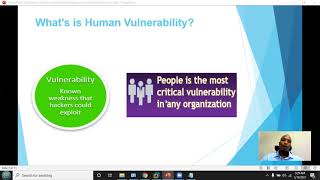 41mHuman Vulnerability Management and Assessment in the Age of Zero Trust
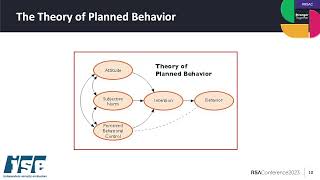 35mProtecting the Organization: The Psychology of Social Engineering
 01h 07mKeynote Presentation Blinded by “the weakest link” A New Perspective on Human Risk
 55mDeveloping a Conceptual Model for Insider Threat
 33mDefending the human network
 20mOh the Humanity! Building Reliable Cultural Firewalls
 50mSecurity's Social Problem