Protecting the Organization: The Psychology of Social Engineering
summary
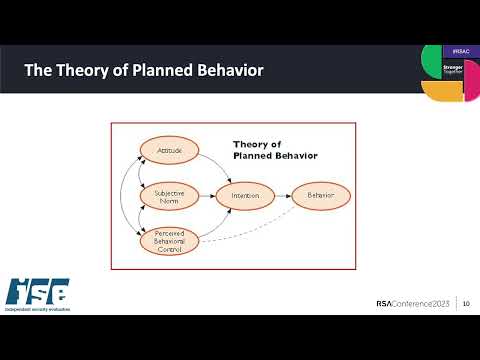
Claims that social engineering underlies 98% of attacks and cites the FBI 2018 figures of 26,379 victims and about $50 billion in losses, then maps a six‑part “human hacking” model (social influence, bystander effect, planned behavior, trust, vulnerabilities, cognitive dissonance). Describes phishing, dumpster diving, scareware and deepfakes, recommends concrete steps—patching, targeted awareness, APT: awareness policies training—and schedules: ask about current training next week, add training within three months, deploy policies within six months, reevaluate within a year.
AI-written summary · about
chapters (11)
- 0:00Start
- 3:42What is Social Engineering?
- 5:22Hexagon of Human Hacking
- 5:57Social Influence
- 8:57The Theory of Planned Behavior
- 10:22Bystander Effect
- 11:10Cognitive Dissonance Theory
- 14:50Human Vulnerabilities
- 16:24Types of Social Engineering Attacks
- 22:05Responding to Social Engineering Attacks
- 28:18"Apply" Slide
related talks
 50mHacking Humans : Social Engineering Techniques and How to Protect Against Them
 44mHacking Humans: Social Engineering Techniques
 41mHacking Humans : Social Engineering Techniques and How to Protect Against Them
 25mHacking the human mind: The rise of social engineering security threat
 30mSecurity Starts With You: Social Engineering
 55mHacking Humans
 51mSocial Engineering: Hacking People
 46mSocial Engineering: Hacking Humans