Personal Threat Models and, Speculatively, Privacy Governance

summary
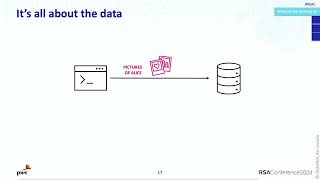
Claim: simple, repeatable personal threat modeling lets users map risks and choose actions using four basic steps: establish awareness via a trust boundary, identify deciding factors, weigh risks against values, and act. Offers concrete examples of failures—surveys erasing gender, wrongful arrest from facial recognition, social workers extracting data from poor mothers, student detention, dark patterns—and argues for building listening systems that collect representative threat models so design teams can change data flows, policies and UX before harms scale.
AI-written summary · about
chapters (7)
- 0:00Start
- 0:45Check ins for each section
- 1:30What's agency? "One's agency is one's independent capability or ability to act on one's will."
- 2:39Privacy protects agency.
- 7:56Steps for personal threat modeling
- 10:12Service components & end-to-end privacy
- 15:25Learning what our data subjects care about
related talks
 22mPrivacy Threat Modeling
 44mA Taste of Privacy Threat Modeling
 01h 12mModelling Privacy Threats of Medical Data and Health Data Spaces
 16mPutting Privacy on the Map
 50mShifting Privacy In: How Privacy and Security Can Strengthen Each Other
 16mUsersFirst: A User-Centric Threat Modeling Framework for Privacy Notice and Choice
 47mDesigning for User-Centered Privacy
 20mPrivacy Shift Left: A Machine-Assisted Threat Modeling Approach