Managing Privacy and Cyber In A Pandemic: Lessons Learned For 2021 & Beyond

summary
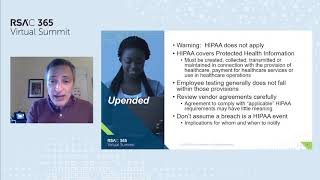
Companies collecting pandemic data face concrete numbers and legal traps: 76% asked employees to notify of diagnoses, 53% ask travel, 23% take temperatures, 20% share names, 15% perform DPIAs, half deploy new tech and 60% expedite reviews. HIPAA often doesn't apply to workplace monitoring, so testing contracts can unintentionally create PHI obligations. Ransomware shifts to data exfiltration; OFAC checks and insurer signoff are now routine. Forensics must be prepared for litigation—retain a fresh vendor, limit distribution, document counsel-led work and pay from litigation budget.
AI-written summary · about
chapters (22)
- 0:00Intro
- 1:03Agenda
- 1:33Whats the big deal
- 3:13What employers should be collecting
- 4:01The data
- 5:10More data
- 6:32Issues to consider
- 9:58Legal framework
- 10:10Existing laws
- 12:07HIPAA
- 18:38Federal Laws
- 19:48Risk Environment
- 21:37Trends
- 27:17Security Expectations
- 35:37Ransomware
- 37:45Treasury and FinCEN advisories
- 42:48How many clients pay ransomware
- 44:18Affirmative defense
- 46:00Deleting exfiltrated data
- 47:45Ransomware business model
- 49:34Forensic reports and ediscovery
- 56:00Dont write it down
related talks
 29mManaging Privacy and Cyber In A Pandemic: Lessons Learned For 2021 & Beyond
 01h 07mSECURING PERSONAL DATA: THE “NEW” NORMAL
 28mData Protection in time of Crisis
 49mTen Key Privacy Challenges of the Hybrid Workforce
 52mManaging Organizational Risk during a World Pandemic
 24mData: The Dark Side Post COVID19
 01h 12mDPAS IN THE COVID-19 PANDEMIC
 28mHealthcare and IoT cybersecurity in the new age