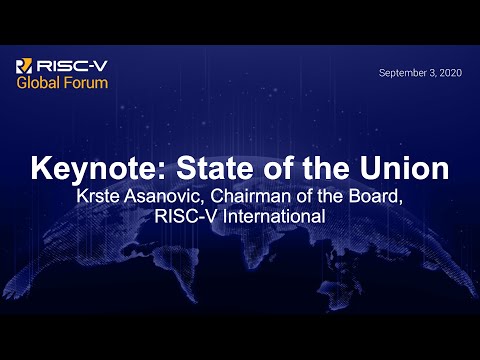
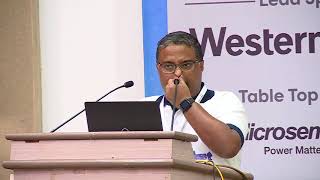
Keynote: State of the Union
summary
RISC‑V claims rapid industry adoption in five years and now manages the ISA spec, golden model and compliance tests while supporting both open and commercial cores; there are more commercial IP providers than any other ISA in history. Design specifics that enabled software ports include native 4 KB page size, little‑endian choice, and a weak memory model with TSO extension. Ongoing engineering priorities: finish verticals, add cache maintenance ops, evaluate a double‑word CAS, and keep frozen base modules to preserve stability and compatibility.
AI-written summary · about
chapters (9)
- 0:00Welcome and introductions
- 1:05Risk-V project overview
- 2:47Ecosystem and architecture
- 5:34Evolution of project goals
- 6:58Founding goals and non-goals
- 9:07Foundation and industry impact
- 11:51Current community priorities
- 14:11Modern software-driven goals
- 17:52Strategy for future success
related talks
 20mIs RISC-V HPC? RISC-V is HPC!
 22mAn Open and Coherent Memory Centric Architecture Enabled by RISC V
 17mRISC-V SoC Coherency: Dealing with Unique RISC-V Coherency Issues
 21mThe Future of Mission Critical Edge Compute Is RISC-V
 31mUnshackling Memory!
 23mBreaking the limits of x86
 30mIntegrating Gen-Z in Server-Class RISC-V Processors
 36mKeynote: State of the Cephalopod