Integrating Gen-Z in Server-Class RISC-V Processors
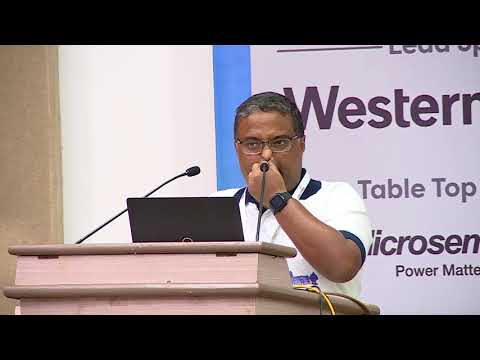
summary
Gen Z is a memory-semantic fabric that exposes load/store access to remote memory, ships 16–212 Giga-transactions/sec and 32–400+ GB/s per module, and scales to 2^28 components; switching is ~30 ns vs PCIe’s 130–250 ns and supports 32 virtual channels, multipathing and FEC. HPE prototypes using fabric‑attached memory report 15x–100x and isolated cases up to 8,000x speedups for large workloads. Recommended RISC-V changes: wider physical addresses (52–56 bits), cache flush/prefetch controls, far atomics and a ZMMU requester/responder model.
AI-written summary · about
chapters (11)
- 0:00Intro
- 2:59The Motivation for a Gen-Z Fabric Memory and storage are Converging
- 3:40The Solution : Scalable Memory Fabric - Gen-Z!
- 6:43So What's an Example of How Gen-Z Helps Us?
- 9:46Key Gen-Z attributes for Scale-out Computing
- 15:52ZMMU Implementation : Page-Grid based ZMMU
- 16:50Gen-z : Trust and Security
- 21:19Gen-Z Transforms Performance
- 21:54Gen-Z: Broad Industry and Component Support
- 22:26Gen-Z Consortium Milestones
- 23:06RISC-V : Building on Gen-Z Basics
related talks
 23mBreaking the limits of x86
 31mUnshackling Memory!
 21mThe Future of Mission Critical Edge Compute Is RISC-V
 45mBeyond Machine Boundaries: Experience with Memory Disaggregation
 22mAn Open and Coherent Memory Centric Architecture Enabled by RISC V
 20mIs RISC-V HPC? RISC-V is HPC!
 16mOneSidedMW: Managing Disaggregated Memory Efficiently, Flexibly, and Securely with RNIC
 46mA Complete Re-Think for Memory Config...