Achieving Photorealism in Games

summary
Covers what ‘next-gen’ and photorealism mean in game visuals, why achieving photorealism is slow and difficult, and common ways it can be broken. Discusses core technical and perceptual problems in creating realistic graphics across games, animation and film, compares different rendering approaches, and evaluates hardware/market factors (4K/60fps, PS5, SSD, RTX 3090) that affect development and player expectations.
AI-written summary · about
chapters (11)
- 0:00Photorealism in games
- 1:08Why it's harder than it seems
- 2:32Graphics evolution
- 5:44Uncanny valley in humans
- 8:55How brain reads visuals
- 13:50Characters not photorealistic
- 17:23Texture and scale issues
- 22:42Proportions and lighting
- 29:25Animation and camera keys
- 35:23Puzzle of details
- 40:22Q&A
related talks
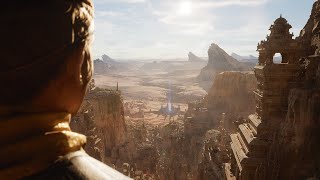 47mUnreal Engine for Next-Gen Games
 28mUnseen: How Non-gamer Input can Change & Improve Art & Storytelling in Games
 27mHigh definition render pipeline, shader graph, GPU-based progressive lightmapper
 01h 06mDreams of Electric Sheep - Aspirations for the Future of Game AI
 01h 00mHorrors of Mobile Graphics
 49mPanel: Reasons to Push the Limits - How can we Take Advantage of Next Gen Capabilities?
 15mUnderstanding Technical Art
 59mThe Horrors of Mobile Graphics