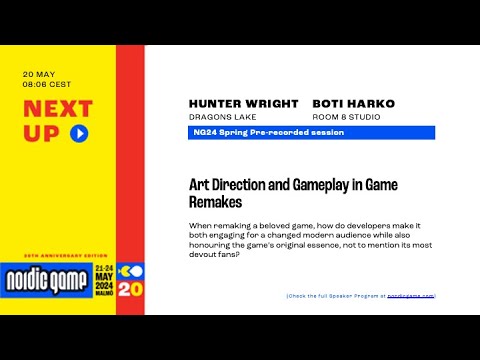
Art direction and gameplay in game remakes
summary
Analysis of almost 700 remakes shows the average remake gap is 13 years average, remasters land at 0–5 years and full remakes at 11–15 years. Examples: Dead Space preserves original art while filling implied detail; Resident Evil 2/3 replaces fixed cameras with multiple control schemes and modernized boss combat; Final Fantasy VII shifts to real‑time combat with a stagger mechanic. Practical tradeoffs include Unreal/Unity swaps or hybrid engines, relighting, accessibility (autosaves, UI), and the risk of breaking beloved game feel versus modernizing.
AI-written summary · about
chapters (13)
- 0:00Game remakes and art direction
- 1:51Remakes becoming common
- 3:36Art direction in remasters
- 5:19Accessibility versus nostalgia
- 7:03Engine changes impact
- 8:28Detail adds or removes value
- 10:57Preserving essence modernizing
- 13:46Modernizing gameplay identity
- 16:37Final Fantasy 7 remake strategy
- 17:42Remake development challenges
- 18:45Original elements irreplaceable
- 19:28IP holder collaboration
- 20:12Closing thoughts on remakes
related talks
 59mUnsaved Progress Will Be Lost: Why the Game Industry Forgot How to Make Games, and How to Fix It
 28mUnseen: How Non-gamer Input can Change & Improve Art & Storytelling in Games
 08mInterview with
 59mPragmatic & Subversive vs Full Immersion
 49mPanel: Reasons to Push the Limits - How can we Take Advantage of Next Gen Capabilities?
 57mThe Fusion of Nostalgia and Novelty in Octopath Traveler
 43mGame Design lessons from designing Football, Tactics & Glory
 45mThere and Back Again: One Weird Game Dev Trip