Protecting Rights and Legal Interests in Game Dev

summary
Covers legal protections for game developers: seven key contractual clauses for outsourcing game development, practical legal relationships and issues when working with a U.S. publisher, and methods to protect one’s own game projects ("aura of protection").
AI-written summary · about
chapters (29)
- 0:00Rights in game dev
- 1:02Game registration issues
- 2:27Digital Millennium Copyright Act
- 4:54Contract mistakes with devs
- 8:31Unfair labor contract terms
- 10:21Borrowing game ideas legally
- 12:30Look and Feel in court
- 14:44Game concept rights violations
- 17:39Real people in games
- 18:41Key team contract terms
- 20:49Code rights in divorce
- 23:00Applicable law in contracts
- 24:56Non-compete restrictions
- 27:03Exclusive contract risks
- 29:10Royalties and rights distribution
- 31:57Bank transfer issues in contracts
- 33:25Summary
- 34:28Negotiating contracts
- 36:54Conflict resolution
- 37:16Q&A
- 41:11Trademarks in games
- 42:16Copyright cases in Ukraine
- 43:19Trademark registration for games
- 44:43Trademark disputes
- 45:32Employee surveillance legality
- 47:24Employee rights limits
- 48:46Filming and personal data
- 50:18Human rights cases
- 51:21Conclusion
related talks
 28mFireside Chat: Why Protecting an Indie Game Is Easier – & Cheaper – Than You Think?
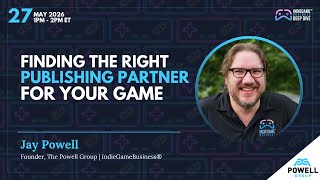 01h 01mFinding the Right Publishing Partner for Your Game
 33mHow mobile game developers can make the most of thirdparty IP
 01h 07mAfter the Event with Ash and INDIE | Building Strong Publishing Partnerships
 30mWorking with Independent Developers: Lessons Learned Over the Years
 29mA Deal with a Publisher: Why and How
 30mWhy Game Devs Need Strong Game Publishers
 59mPassion is Good but Passion+IP is better