Using a Blocklist to Improve the Security of User Selection of Android Patterns

summary
Researchers evaluate using blocklists to prevent common Android unlock patterns by disallowing popular patterns during creation. They ran a smartphone-based user study (n=1006) testing five blocklist sizes (from 12 to 581 blocked patterns) versus a control, measured attacker success rates after 30 guesses and short-term usability (recall, entry time, SUS), and recommend blocking about 100 patterns as a balance between security and usability.
AI-written summary · about
chapters (12)
- 0:00Intro
- 0:51How Secure are Patterns?
- 1:01Study Objective
- 1:18Study Design
- 1:51Primary Findings
- 2:12Security Analysis: Threat Models
- 2:39Security Analysis: Perfect Knowledge Guessing
- 3:39Security Analysis: Simulated Guessing
- 3:50Changes in Pattern Selection Strategies
- 4:09Usability
- 4:45Conclusion
- 5:02Thank you! Ping us!
related talks
 13mKnock, Knock. Who’s There? On the Security of LG’s Knock Codes
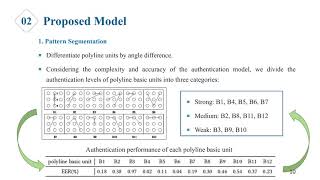 05mFine-Grained and Context-Aware Behavioral Biometrics for Pattern Lock on Smartphones
 19mStay Cool! Understanding Thermal Attacks on Mobile-based User Authentication
 47mSecuring Android Applications, The Right Way
 26mMobile UX Best Practices for Passkeys
 15mBest practices for shielding mobile apps from emerging threats
 20mWhat billions of device ids reveal about Android app abuse
 08mComparing User Perceptions of Anti-Stalkerware Apps with the Technical Reality