“And then what happens?” Promoting Children’s Verbal Creativity Using a Robot

summary
A social robot Emys runs a pre/post interactive storytelling task with 69 children (ages 7–9), randomly assigned to 32 promotion or 29 prevention priming; promotion primes use excitement and a promised gift, prevention primes use threat of explosion. Creativity is coded for fluency, flexibility, elaboration, and originality. Results show promotion increases fluency and average originality post-test, flexibility rises across both conditions, elaboration shows no change, and robot verbal prompts often reduce highest-originality responses; robot is tele-operated.
AI-written summary · about
chapters (12)
- 0:00Intro
- 0:33BACKGROUND-CREATIVITY
- 1:17BACKGROUND - REGULATORY FOCUS THEORY
- 2:05STUDY DESIGN - PRIMING AND CONDITIONS
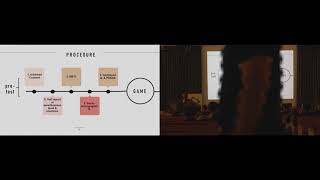
- 3:02STUDY DESIGN - STORYTELLING GAME
- 3:41METHODOLOGY - RESEARCH QUESTION AND HYPOTHESIS 1
- 4:52EVALUATION - USER STUDY
- 5:25MEASURES - CREATIVE PROCESS
- 6:02MEASURES - ROBOT'S VERBAL BEHAVIOR
- 6:23EFFECT OF RFT DESIGN ON CHILDREN'S CREATIVITY
- 7:09EFFECT OF ROBOT'S VERBAL BEHAVIORS
- 8:10DISCUSSION AND CONCLUSION - HYPOTHESIS 2
related talks
 15mThe Role of Assertiveness in a Storytelling Game with Persuasive Robotic Non-Player Characters
 16mSomeone to Read with: Design of and Experiences with an In-Home Learning Companion Robot for Reading
 08mA Simple Nod of the Head: The Effect of Minimal Robot Movements on Children's Perception of a ...
 58mPlaying programming with kids using BB-8 robot
 18mRobotics: why now?
 21mTeaching Language to Deaf Infants with a Robot and a Virtual Human
 18mComparing Social Robot, Screen and Voice Interfaces for Smart-Home Control
 09mSituated Live Programming for Human-Robot Collaboration