A learning health care system secondary use of health data in research (2)

summary
A Netherlands survey of 1500 surveyed, 731 responses finds high trust in clinicians (~90%) and researchers (~75%) and reports 60% accept no-consent scientific use of deidentified medical records while ~25% would opt out and ~75% say they don’t need to decide if data are well protected. Proposals include patient-controlled archives and data cooperatives for citizen ownership and benefit; legal specifics debated: Section 251-style exemptions, EU-wide law, and the risk of blocking research by treating primary and secondary uses as separate.
AI-written summary · about
chapters (7)
- 0:00Session introduction
- 0:25Citizen trust in health data
- 10:22Rare disease data sharing
- 18:34Digital self-determination
- 31:05NHS data sharing frameworks
- 43:27Privacy, consent, and public interest
- 1:18:36Closing remarks
related talks
 01h 17mSECONDARY USE OF PERSONAL DATA FOR (BIOMEDICAL) RESEARCH
 01h 16mHealthy AI for access, sharing and protection of sensitive data.
 46mKeynote
 33mBuilding governance for health data spaces and infrastructures: interplay between General Data
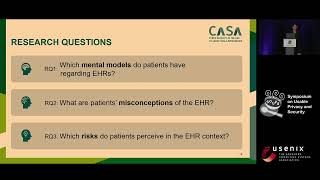 10mPrivacy Mental Models of Electronic Health Records: A German Case Study
 01h 11mGlobal Perspectives of Regulating Genetic Data in Scientific Research: Beyond Privacy?
 24mLeveraging Open Source Software to Assure Privacy of Health Information
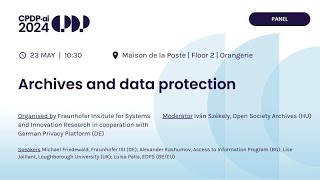 01h 18mArchives and Data Protection