Becoming Conscious of Our Unconscious Bias in Design
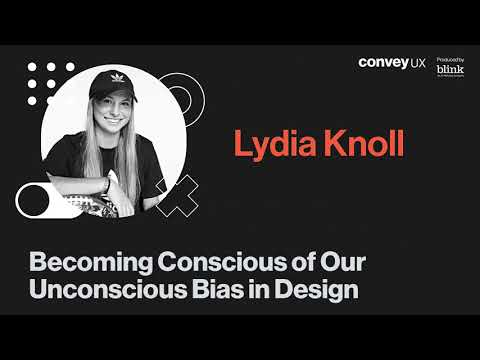
summary
Machine-captioned case studies show concrete problems and fixes: speech-to-text has almost twice the error rate for Black speakers across five big tech vendors (Microsoft performs best, Apple worst); Facebook/Instagram name-sweep flags non‑European names and hits trans, drag and Indigenous users; camera bias improves when Pixel 6 adopts a 10‑shade Real Tone scale and a 25× more diverse training dataset; image classifiers suppress or label women’s photos as “racy.” Practical remedies: diversify hiring, research pools, and test users to achieve intersectional accessibility.
AI-written summary · about
chapters (10)
- 0:00Introduction and welcome
- 1:15Defining unconscious bias
- 5:30Personal biases and assumptions
- 6:54Six types of unconscious bias
- 11:25Identifying your own bias
- 13:35Case study speech-to-text bias
- 16:26Case study personal info bias
- 20:10Case study photography bias
- 32:09Practical application in design
- 37:03Q&A and resources
related talks
 24mEliminating Unconscious Biases in Technology Through...
 41mGhost in the Machine: The Unexpected Results of Not Understanding Your Users
 20mBattling Unconscious Bias
 29mUnintended consequences of technology: Enabling NextGen discrimination
 47mDiversity and Inclusion for Algorithmic Bias Considerations
 33mEliminating Unconscious Bias Through UX Design
 24mAlgorithms aren't neutral Making UX inclusive
 45mBias in Artificial Intelligence