Beyond the Office Walls: Understanding Security and Shadow Security Behaviours in a

summary
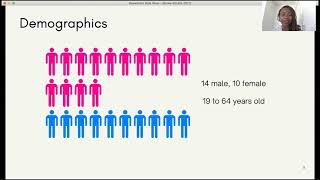
Qualitative study interviews 20 remote workers using constructivist grounded theory and semi structured interviews and produces 27 codes organized into four themes: a personal security model, an organisational security model, external influences, and an appraisal process that maps them. The appraisal yields three alignments—aligned, partially aligned, misaligned—driving compliance, non‑compliance, and shadow security where users invent their own protections. No major differences appear between hybrid and fully remote workers. Recommendations include a security style guide, better informal communication channels, and user‑centred remote work tools to reduce workarounds.
AI-written summary · about
chapters (10)
- 0:00Remote work security intro
- 1:13Shadow security behaviors
- 2:38Study design and participants
- 3:22Personal security model
- 4:44Organizational security model
- 5:47Model alignment
- 7:13Non-compliant behavior justifications
- 8:17Shadow security contributors
- 9:21Remote work security tips
- 10:06Future research & Q&A
related talks
 05mChallenges and Threats of Mass Telecommuting: A Qualitative Study of Workers
 49mTen Key Privacy Challenges of the Hybrid Workforce
 46mSecurity Challenges of Cloud Native Companies with Remote Workers
 41mAll Shades of Remote Work
 40mTen Things to Include in Remote Work IT Risk Assessments
 15mAn Ethnographic Understanding of Software (In)Security and a Co-Creation Model
 52mStrong Story to Tell: Top 10 Mistakes by Administrators About Remote Work
 55mDeveloping a Conceptual Model for Insider Threat