MMM and MTA: The Future of AI-Driven Marketing

summary
Explains how open source Robin MMM (Meta) and Markov models convert MMM and MTA into near‑real‑time engines: Robin spits out 15–20 allocation scenarios and one example reallocating Facebook from 67% to 75% yields a 23% uplift on the same budget; Markov chains compute removal effects to rank channels (email, affiliate, paid influencers show strong downstream value). Notes: MMM is slow and yearly, MTA breaks with privacy (iOS17), AI/LLMs enable sentiment, dynamic Black Friday reallocation, predicted 16% CAGR and models that cut costs ~25% and raise revenue ~15%.
AI-written summary · about
chapters (10)
- 0:00AI-driven marketing analytics
- 2:57MMM vs MTA differences
- 6:16Robin MMM real-world
- 10:34MTA model limitations
- 14:37MMM and MTA challenges
- 16:44AI in attribution models
- 19:58Customer journey personalization
- 22:07AI in marketing campaigns
- 23:56Predictive analytics future
- 25:24Conclusion
related talks
 36mML: Predictive analytics in Ad Engineering
 41mUnlocking Profit: How AI-Driven Budget Optimization Elevates Marketing Performance
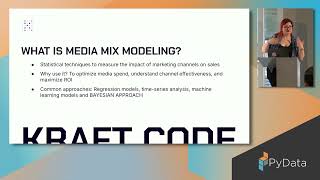 29mMedia Mix Modelling
 31mMedia Mix Modeling:How to Measure the Effectiveness of Advertising
 24mKeynote: AI Trends in Performance Marketing
 39mHow to Allocate Marketing Budget - Bayesian Approach to the Rescue
 13mAlgorithmic Transparency in Personalized Advertising: Learnings from Building "Why Am I
 27mGenerating targeted AI revenue at mass scales