Designing for play and friction in a fast-paced world

summary
IDEO Play Lab argues that adding deliberate obstacles improves meaning and learning, and shows it: a playable browser game Wait, wait, wait with shared code that provokes more enjoyment as obstacles increase; an Elmo calls app that intentionally hangs up to keep interactions rare and special; a VR View‑Master prototype without a head strap to naturally limit session length; and an AI writing product Ethically that removes grading drudgery while preserving student-authored thinking. The claim is concrete and backed by prototypes and user research.
AI-written summary · about
chapters (7)
- 0:00Play and friction intro
- 3:51Live friction demo
- 6:33Gen Z vs tech’s hidden costs
- 12:36Purposeful friction history
- 15:02Ethical AI in education
- 17:50Where to add friction
- 19:57Embrace complexity
related talks
 03mTechnology, Movement, and Play Is Hampering and Boosting Interactive Play.
 20mThe future is low-tech: lessons from the early 2000s
 31mDesigning with friction, it's irritatingly good
 46mPrinciples of Play
 18mDigital Outdoor Play: Benefits and Risks from an Interaction Design Perspective
 15m"It Started as a Joke": On the Design of Idle Games
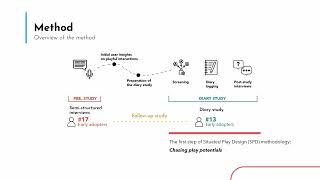 08mLearning from Users: Everyday Playful Interactions to Support Architectural Spatial Changes
 Learning from Users: Everyday Playful Interactions to Support Architectural Spatial Changes