Open Banking: a foundation for the new world

summary
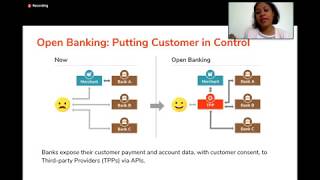
Banks report spending €20–30M on PSD2 compliance and deploy consent management, two‑factor auth and token/identity stacks while exposing APIs that pull data from cores and mainframes using tools like z/OS Connect. Projects move from internal APIs to cloud sandboxes, developer portals and a center of enablement. Payment initiation shifts off card rails onto SEPA and real‑time rails; open banking acts as a foundation for broader open finance use cases and embedded banking.
AI-written summary · about
chapters (13)
- 0:00Open Banking introduction
- 8:04Open Banking foundation
- 11:33Open Banking standards
- 16:04Open Banking 2.0 value chains
- 20:59Financial inclusion with Open Banking
- 22:03COVID-19 banking impact
- 25:57APIs in core banking
- 32:14API program structure
- 38:56Embedded banking services
- 41:25Banking transformations
- 44:15Open Banking disruption?
- 49:53Open Banking and digital currencies
- 53:01Closing remarks
related talks
 17mOpenBanking : The Day After PSD2
 31mOpen Banking – The Brand , the Challenges and the Future
 22mOpen Banking : An opportunity, not a mandate
 23mOpen Banking: The 3rd Channel
 31mOpen Banking is Here to Stay: How Will You Benefit from It?
 37mIntroduction to essential elements of Open Banking Framework
 28mGlobal Open Banking Frameworks and Standards
 13mFrom Open Banking to Open Economy: What You Need to Know