The Influence of in-VR Questionnaire Design on the User Experience

summary
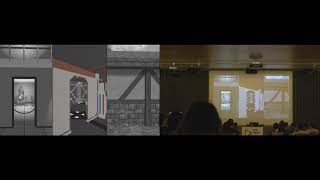
A 16-participant study builds an immersive questionnaire toolkit that imports LimeSurvey into Unity and compares three layouts (2D in-VR panel, interactive 3D object, and out-VR web form) using SUS, NASA‑TLX, and IPQ. Results show no SUS or presence differences, the 3D layout takes more time to complete, and the 2D in‑VR layout scores higher on mental demand and frustration versus web; participants nonetheless prefer in‑VR questionnaires. The toolkit successfully exchanges survey data for on‑site and remote runs.
AI-written summary · about
chapters (13)
- 0:00Introduction
- 0:18Immersion and Presence
- 0:52Break in Presence
- 1:20Design Guidelines
- 1:55Evaluation Methods
- 3:38User Study
- 4:03Research Goals
- 4:36Participants
- 5:30Onboarding Room
- 6:45Questionnaire Structure
- 7:36Results
- 9:12Realism
- 9:32Future Study
related talks
 26mDesigning in 3D Space, a practical Guide to Spatial Design
 01h 06mQuality in Product Design with Immersive Technologies
 19mHow XR Environments Shape User Behavior
 13mNotification in VR: The Effect of Notification Placement, Task and Environment
 06mThe Potential Disconnect between Time Perception and Immersion: Effects of Music on VR Player ...
 54mUXR Workshop - User Testing in Under an Hour
 44mUX + Mixed Reality
 21mImmersive Trip Reports