Welcome

summary
Shows how to stand up an OSPO with concrete milestones: detect what you already use with tools like White Source, inventory usage to find risk then set pragmatic policies that move teams from “ask permission” to clear guidelines, run workshops and a mapping your open source career checklist to enable contributions, and fund maintainers (example: FOSS fund $10k/month). Microsoft-scale numbers are cited — 60,000 components and about 9.5 million instances tracked — and the lifecycle from use to contribute to create is tested and repeatable.
AI-written summary · about
chapters (20)
- 0:00Intro
- 1:02Why open source
- 1:38Open source programs office
- 2:32Bike technology
- 2:58Learn how to ride
- 3:18OSPs
- 4:20OSP tools
- 5:00Licensing
- 5:45Detection
- 6:10Project mechanics
- 6:44Open source funding
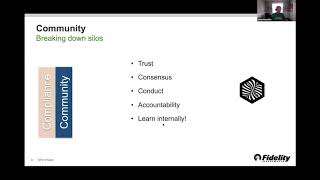
- 7:31Open source community
- 8:34Office is like riding a bike
- 9:02What are you using
- 9:47Ask for permission
- 10:07Set guidelines
- 10:33Contribute more
- 11:15Outreach
- 11:39Imposter Syndrome
- 12:17Conclusion
related talks
 01h 39mWorkshop: Building and Managing an Open Source Program Office
 41mHow Your Company Can Help Sustain Open Source
 22mThe OSPO Playbook: Supercharging Open Source at Scale
 27mOpen Source: Supporting, Contributing and Evangelising
- 01h 39mWorkshop: Building and Managing an Open Source Program Office
 28mGoverning Open Source in the Enterprise: OSPO Strategies for Innovation and Compliance
 40mThree Cs to an Open Source Program Office
 40mHow Can Your OSPO Drive Open Source Business Value for Your Organization?