Call for Code with The Linux Foundation: Contributing to Tech-for-good Even if You're Not Technical

summary
Call for Code runs an incubation-to-deployment pipeline (hosted at the Linux Foundation and on GitHub) that turns competition winners into production-ready open source projects; it claims half a million developers engaged since 2018 and now manages 14 projects. Examples: Project OWL builds an emergency mesh with Arduino, MQTT and LoRa to restore comms after Hurricane Maria; Pira ships IoT sensors and microservices to log firefighter toxin exposure; OpenEw provides distributed seismic early warning for the Caribbean. Tutorials, Slack channels and contributor guides support nontechnical roles.
AI-written summary · about
chapters (21)
- 0:00Introduction
- 1:50About Call for Code
- 3:44Call for Code Projects
- 7:45Incubation Framework
- 9:15Open Source Umbrellas
- 10:29Project Overview
- 14:42Pillar Overview
- 17:13Tutorials
- 18:43Open Source
- 19:09Documentation
- 22:14Hacktoberfest
- 23:24User Research
- 31:24Getting Started
- 36:06How to Get Started
- 36:43Join Slack
- 37:15General Channel
- 38:19Project Catalog
- 39:04GitHub Course
- 40:01Repos
- 40:29Developer Resources
- 41:29Final Thoughts
related talks
 39mBuild a More Sustainable World Through "Call for Code with the Linux Foundation" Open Source Project
 31mCode It Forward: Making Your Mark in Open Source
 41mOpen source for good: the people and projects driving change
 10mCalling all non-code contributors!
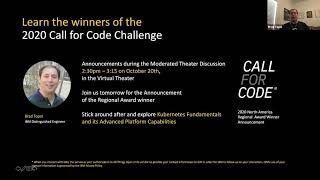 05mCall for Code regional winner + OS Grant winner
 10mThe Role of Open Source in Mitigating Natural Disasters
 27mNo Code Needed: From Emojis To Glory on the Contribution Ladder
 39mNurturing the Next Generation of Open Source Contributors