Cyber risk management: Bringing security to the boardroom

summary
Shows how Trend Micro pairs attack surface risk management with next-generation XDR to score and prioritize cloud assets, correlating CVEs, misconfigurations and internet-facing status into a 0–100 risk index (example target <30). Cites industry data — 44% find cloud detection harder, 83% run public cloud, one-in-three struggle to spot threats — and operational examples: 10 AWS accounts yielding ~15–20k assets, 100 API gateways producing 6,000 endpoints. Recommends ingesting CloudTrail plus container and runtime telemetry, using virtual patching and runtime protection to reduce noisy alerts and drive measurable compliance (accounts >75%).
AI-written summary · about
chapters (12)
- 0:00Introduction and agenda
- 1:36Hybrid cloud complexities
- 4:44Cloud security statistics
- 7:55The board's role
- 10:22Assessing cloud risk
- 13:21Risk prioritization strategy
- 17:08Quantifying security metrics
- 20:10API and workload protection
- 23:21Improving security strategy
- 26:08Detection and response
- 28:37Engaging the board
- 35:42Closing thoughts
related talks
 12mCloud security: A critical part of your exposure management program
 40mCyber Risk Management Programs: Bringing Clarity to Cybersecurity
 40mProtecting What Matters Most – Tools for Managing Risk
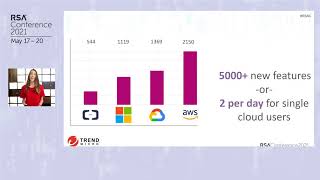 40mWork Smarter Not Harder: Tips to Approach Cloud Security the Easier Way
 21mMake threats visible in your cloud environment — Eric Jung
 58mCloud Attack Surface Management
 47m3 steps to help mitigate cloud risks
 27mThe Offensive Approach to Cybersecurity