Web 3.0 Before It Was Cool: Why Decentralized Authentication is the Future and the Past
summary
Argues that replacing passwords with hardware-backed private keys and FIDO2/passkeys removes large classes of attacks, cutting credential theft and session hijacking; shows reliance on centralized IDPs and CAs creates a single-point-of-failure (cites DigiNotar) and that decentralized auth stores public keys per relying party and uses web of trust and verifiable credentials plus DIDs. Demonstrates smartphone+secure element flow as workable today, notes key recovery and full trusted-execution phone UI remain unsolved.
AI-written summary · about
chapters (13)
- 0:00Introduction and speaker background
- 1:02Decentralized vs centralized systems
- 3:30Internet of old and authentication history
- 5:16PGP and web of trust explained
- 6:44Modern authentication flaws
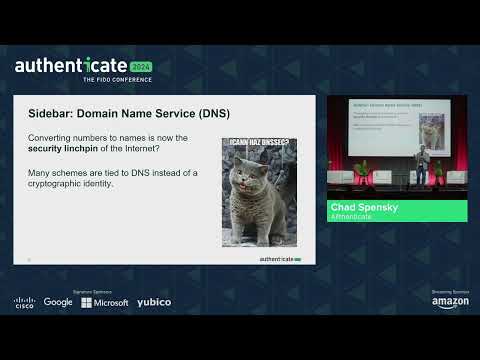
- 9:38DNS and certificate authority risks
- 11:44Identity as centralized service dangers
- 13:07Future goals for authentication
- 14:31Why sessions need to cease
- 15:57Decentralized authentication future
- 18:23Simplified authentication flow
- 19:05Open problems and challenges
- 20:49Summary and call to action
related talks
 27mWeb 3 Reshape Authentication
 19mBridging Web 3.0 Digital Wallets
 18mA path to a world without passwords
 27mSay Goodbye to Passwords and Hello to WebAuthn
 38mPasswords Are Dead, Long Live Passwords!
 07mImagine: A world without passwords, it is easy if you try
 45mPasswords Are So 1990
 38mJourney to passwordless