Private org & govt perspectives in navigating the tech landscape of remote digital identity proofing

summary
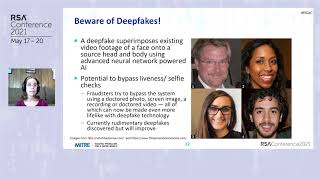
Panel summarizes empirical findings and deployment plans: DHS assembles 1,200 fraudulent documents for testing, evaluations show ~10% error rates in current doc+selfie proofing and demographic checks, and bias correlates with age and skin tone. NIST 800-63 updates add finer IAL tiers, trusted referee workflows, biometric performance and fraud metrics. Industry pilots (TSA, banks) and a NCCoE mobile driver's license project push for verifiable credentials; retailers plan accepting digital IDs in 2025 while maintaining legacy fallbacks.
AI-written summary · about
chapters (16)
- 0:00Introduction and panel overview
- 1:08Amazon’s identity proofing use cases
- 4:41Challenges in identity proofing verification
- 5:23DHS S&T research and evaluations
- 9:53Volunteer testing and error rates
- 10:57Fraud detection and evolving threats
- 13:47NIST SP 800-63 updates and identity assurance levels
- 17:37NIST SP 800-63 Part A changes
- 23:20Amazon’s approach to digital identity proofing
- 27:16Future of document capture and digital credentials
- 31:51Enhancing document security features
- 34:21NCCoE mobile driver’s license project
- 38:37MDL adoption challenges and opportunities
- 42:15Amazon’s role in driving MDL adoption
- 45:51DHS use cases for mobile driver’s licenses
- 48:40Q&A and closing remarks
related talks
 22mUpdate on NIST's digital identity guidelines
 38mDigital Identity - Improving the necessary evil
 19mVerifying Humanness: Personhood Credentials for the Digital Identity Crisis
 40mAre You Really You? Higher Assurance Identity Proofing to the Rescue!
 51mHealth Credentials, Travel, Climate Change, Financial Inclusion & More: Digital Identity Gets Real
 22mDigital Identity - Onramp to the Info Superhighway
 14mStrengthening your weakest link
 20mIdentification modules in the eIDAS context – use cases and opportunities