Is the open banking ‘good as is’, or does it need further rules and standards?

summary
Argues open banking is still nascent: APIs in Europe show poor performance, many banks haven’t deployed commercial APIs, and fintechs often use screen‑scraping (Plaid‑style) because it’s more reliable. Claims PSD2 creates perverse incentives—banks get no revenue for opening data—so quality and evolution lag. Notes missing features like recurring payments and identity checks, a liability gap when third parties fail, and that Mastercard is building services to address standards, value transfer, and security.
AI-written summary · about
chapters (13)
- 0:00Open banking debate intro
- 0:44Current open banking state
- 2:27API performance challenges
- 3:55Screen scraping vs regulated access
- 6:45Regulatory incentives for banks
- 8:32PSD2 consumer protection gaps
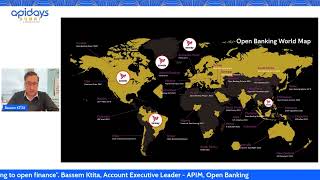
- 10:21Global open banking inconsistencies
- 11:50Basic data limits
- 13:15Premium APIs and digital identity
- 14:41Liability and value transfer
- 16:09Trust via embedded use cases
- 18:40Closing remarks
- 19:00Q&A on reciprocity
related talks
 29mRegulating Open Banking around the World
 37mIntroduction to essential elements of Open Banking Framework
 13mFrom Open Banking to Open Economy: What You Need to Know
 18mOpen Banking Ecosystem – Development, Opportunities & Challenges.
 20mContemporary Issues in Fintech-Bank API Integration post PSD2 APIs
 24mBusiness Model Innovation via open APIs
 20mNordea Open Banking - is it just smoke and mirrors?
 25mOpen Finance: Future is Open