Driving revenue opportunities across the Open Banking ecosystem

summary
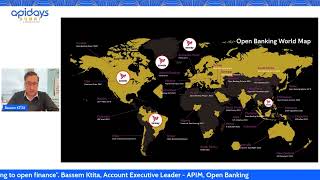
Research connects to 1,700 banks and finds 92% had sandboxes but only 50% accessible in production, 30% operational and 15% fully RTS compliant. UK shows 140 million transactions/month with payments at 0.14% and 35% month‑over‑month growth. Real apps use data for PFM and loan risk decisioning, and payments for wallet top‑ups, first‑payment onboarding and remittances (examples: StuRents, Rewire, Slide). Main barriers are fragmentation, authentication friction, limited payment functionality and onerous TPP registration; commercial APIs (request‑to‑pay, long‑lived consent) unlock monetization.
AI-written summary · about
chapters (29)
- 0:00Introduction
- 0:50Outline
- 1:47Tokenio
- 3:32Open Banking Statistics
- 5:12Europe
- 5:30Research
- 5:58Accessable API
- 6:41Operational API
- 7:39Fragmented banks
- 8:30The Russian Doll problem
- 9:27Major use cases
- 10:25Payments
- 11:25StuRent
- 12:01Rewire
- 12:29Cashback
- 13:02Barriers
- 13:56Use cases
- 14:34solutions
- 14:58friction authentication
- 16:37restricted payment functionality
- 17:24solution
- 17:43premium APIs
- 18:32API based banking
- 20:06Payment capabilities
- 20:47Direct debits
- 21:29Autonomous actions
- 22:11Bank payments
- 23:35Ecosystem banking
- 24:38Questions
related talks
 18mOpen Banking Ecosystem – Development, Opportunities & Challenges.
 37mIntroduction to essential elements of Open Banking Framework
 13mFrom Open Banking to Open Economy: What You Need to Know
 24mBusiness Model Innovation via open APIs
 25mOpen Banking - a Developer’s Perspective
 25mOpen Finance: Future is Open
 39mSecurity Challenges in the World's Largest Open Finance Ecosystem
 26mFast Track the Open Banking Ecosystem with Platform Business Model