Abusability of Automation Apps in Intimate Partner Violence

summary
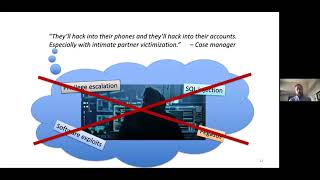
Paper analyzes iOS Shortcuts, Samsung Modes & Routines, Tasker, and IFTTT and shows automation apps can enable four concrete IPV attacks: surveillance, impersonation, overloading, and local control. Researchers convert 12,962 public Shortcuts into XML, extract action UIDs and data flows, and run an LLM-based detector that flags 1,014 malicious Shortcuts able to collect and exfiltrate photos, send messages, toggle hardware, or repeatedly trigger actions. Current logging and notifications are inadequate; authors release a Dockerized detector and recommend per-recipe runtime permissions and persistent sensitive-access alerts.
AI-written summary · about
chapters (7)
- 0:00Automation app abuse in IPV
- 1:16Automation apps and capabilities
- 3:23Research methodology and attacks
- 6:34Demo: Surveillance via automation apps
- 8:01Detecting malicious recipes
- 12:50Company responses to abuse
- 13:12Mitigations and future work
related talks
 20mYour Smart Home, Their Weapon: The Hidden World of Tech Abuse
 58mKeynote Address: Mitigating Technology Abuse in Intimate Partner Violence
 10mSpy-oT: Understanding How Users Learn to Use Internet of Things Devices For Abusive...
 24mRecent Mobile App Security Incidents from Real-World Cases
 10mDetecting iPhone Security Compromise in Simulated Stalking Scenarios: Strategies and...
 58mUncovering OWASP’s Mobile Risks in iOS Apps
 15mBest practices for shielding mobile apps from emerging threats
 26mAccessibility Service Malwares