Appealing to Riders and Elephants

summary
Claim: combine hard numbers for the rider with crafted stories for the elephant so stakeholders gain both direction and motivation. Methods shown include design sprints, ethnographic mapping, ride-alongs, edited usability clips and concise one-sheets. Result is more buy-in and faster decisions — meeting discussion shifts from abstract critique to concrete tradeoffs, and alignment often happens earlier (informal check-ins before reviews) so proposed changes survive the internal gauntlet.
AI-written summary · about
chapters (34)
- 0:00Intro
- 0:34Appealing to Riders and Elephants
- 3:05Books
- 3:44Jonathan Heights Happiness Hypothesis
- 4:57Change Management
- 6:24Design Review
- 7:12Lean Product Cycle
- 7:36The OD Loop
- 8:36The Straight Line
- 9:19One Size Fits All
- 9:50Communication Increases
- 10:40The Writers and Elephants Metaphor
- 11:30Political Hurdles
- 12:40Story Time
- 16:55Resource Hurdle
- 17:36Fine Print
- 17:50Rhyme and Reason
- 18:18Riders and Elephants
- 18:38Ethnographic Studies
- 19:16Control Systems
- 20:14Establish Clear Steps
- 20:53Map to Revenue
- 21:19The Elephant
- 22:07Create a sense of urgency
- 22:22Get the element motivated
- 22:37Zendesk
- 22:53Design Sprints
- 24:56Ridealongs
- 25:12Business Owners
- 25:40One Sheets
- 28:08Design personal interactions
- 28:37Pro tip
- 29:53Summary
- 30:52Empathy
related talks
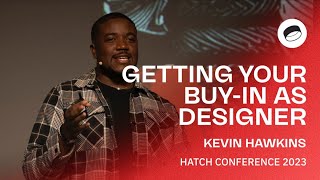 42mSpeaking to Stakeholders and getting your Buy-In as a Designer
 13mHolistic approach in product design
 40mPanel Discussion: What Users Really Want
 18mBuilding with stories.
 02h 03mStorytelling For Designers
 43mDesign Beyond Deliverables
 46mDesigning for impact
 33mWhat Design Ethnography Can Do For You: Connecting Decision Makers to Users