From summarizing projects to setting tags, uses of parsing R files
summary
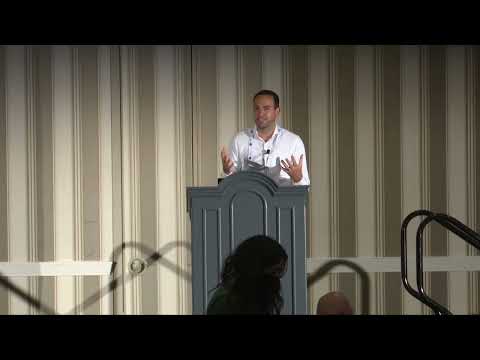
Parses R and Rmd files to extract every function and package usage and returns a lookup table with relative paths and file URLs, using the funspotr helpers such as spot_fun_files to identify functions and spot_tags to auto-generate blogdown tags. Builds an HTML reference table and a network plot that links packages to files so central packages and clusters (tidyverse vs tidymodels in the Julia Silge example) are obvious. Works on self‑contained files, takes seconds per file, and reports unknowns if packages aren’t installed; not suited to targets or complex Shiny dependency graphs.
AI-written summary · about
chapters (8)
- 0:00Parsing R files
- 1:52Manual function tracking inefficient
- 3:48Funspotr automates function discovery
- 6:38Funspotr limitations and setup
- 8:02Reference tables for code
- 9:07Blog tags with spot tags
- 10:12Package relationships analysis
- 11:59Closing and feedback
related talks
 12mFrom summarizing projects to setting tags, uses of parsing R files
 16mSolving R for data science
 04mWhy’d you load that package for?
 22mRMarkdown Driven Development
 15mR Markdown + RStudio Connect + R Shiny
 21mDon’t repeat yourself, talk to yourself! Reporting with R
 11mField Guide to Writing Your First R Package
 16mUsing rmarkdown and parameterised reports