Digital Public Goods - Incentivizing Collaboration

Talkat Open Source Summit Europe 2025 · on Monday, 2025-08-25· at 14:25· Elicium 2A (Elicium Level 1)·
summary
Digital Public Goods need active governance, measurable stewardship and funding for maintenance, not just permissive licenses. The Digital Public Goods Alliance uses a DPG Alliance certification form that asks for SDG alignment, documentation, privacy and security evidence; examples already certified include Drupal, Fedora, OpenStreetMap and DKAN. Governments can change incentives through procurement — the US SHARE Act is a concrete precedent — and projects join by filing issues and submitting evidence of practices.
AI-written summary · about
chapters (20)
- 0:00Introduction
- 1:24Digital public goods
- 5:18Open source’s role
- 7:47Examples of certified digital public goods
- 9:13Certification process for digital public goods
- 11:24Aligning projects with sustainable development goals
- 13:08Motivating contributions
- 15:56Why developers contribute
- 18:03Business incentives
- 20:11Government’s role
- 21:35US open code initiatives
- 23:38Global DPG standards
- 25:02Sustainability and security
- 27:10Open AI and DPGs
- 29:14Future of DPG collaboration
- 31:02GovStack interoperability
- 32:49How to engage with digital public goods
- 33:51Q&A: Open hardware
- 36:37Q&A: Ethical licensing
- 38:27Q&A: Bulk certification
related talks
 43mToward AI Democratization with Digital Public Goods
 31mBuilding the Open Alternative: DPGs for Digital Sovereignty
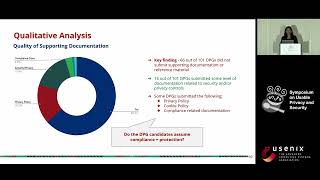 12mPrivacy Requirements and Realities of Digital Public Goods
 26mOpen Source for the Greater Good
 37mHow do you measure 'public good' in open source and beyond?
 29m1 billion for open source, challenges to funding digital public goods
 32mMunicipal collaboration on open source software - Why is it so hard?
 20mKeynote: Digital Commons for Common Good: Exploring Common Building Blocks with LFE