Your Game Needs to Be Everywhere: Distribution Channels

summary
Releases perform best when chosen by concrete tradeoffs: Steam and itch.io give low-cost launch and prototyping, then pursue ID@Xbox then staggered consoles to leverage acceptance; use Steam Deck for handheld demos and achievements as quick analytics. Expect engine fees, QA, localization and certification delays; Godot needs third-party exports or Rawr Lab for Switch, PlayFab handles cross‑platform backends, and Switch 1→Switch 2 edition upgrade can let one SKU hit two audiences while cutting dev complexity. Market numbers (3B mobile, 900M PC, Steam ≈75%) shape priorities.
AI-written summary · about
chapters (11)
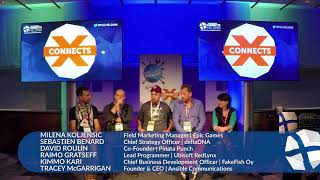
- 0:00Introduction and speakers
- 2:15Where players are and market sizes
- 6:56Nintendo Switch dev kits and editions
- 15:03PC storefronts and their differences
- 23:33Hardware upgrades and handheld gaming
- 29:16Multi-platform strategy for indies
- 36:37Costs of multi-platform releases
- 44:00Physical media and preservation
- 46:07Coherent distribution strategy
- 48:12Q&A on exclusives and profitability
- 58:02Closing and birthday shoutout
related talks
 53mWhat's next in line for PC games?
 21mSwitching from developer to publisher
 49mPanel: Reasons to Push the Limits - How can we Take Advantage of Next Gen Capabilities?
 31mFighting and surviving during the indie apocalypse
 30mTen ways that No More Robots Makes its Games Sell (that You're Probably not Doing)
 01h 11mBuilding a Cross-Platform In-Game Store With Godot and PlayFab
 41mWhat will Inspire the Next Big Thing in Games?
 46mLet's Launch