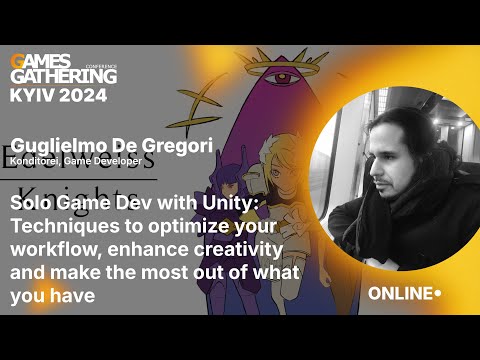
Solo Game Dev with Unity: Techniques to optimize your workflow and enhance creativity
summary
Practical solo workflow: uses Unity plus Aseprite and Blender, keeps code in GitHub, and builds small reusable systems rather than reinventing mechanics. Shows a two-hour Unity map editor example and a randomization scheme (inspired by Pokémon encounters) that produces many levels from templates. Advocates strict timeboxing of roles (designer/programmer/artist), keeping an MVP with a minimum viable product with a finished game loop, journaling for accountability, creating simple content editors, and preferring constrained art styles to save time.
AI-written summary · about
chapters (13)
- 0:00Solo game dev intro
- 4:43Defining scope and market
- 12:10Leveraging personal skills
- 16:26Compartmentalizing roles
- 22:08Reusability and scope
- 27:11Accountability and feedback
- 31:10Minimum viable product and deadlines
- 37:22Prototyping and design docs
- 42:08Custom tools for workflow
- 47:12Reusing assets and mechanics
- 50:26Art styles and references
- 53:42Project organization
- 56:31Tools and resources
related talks
 39mBringing your concept to life
 41mPanel: What Tools all Game Developers Should Have at Hand at all Times
 26mGetting the Job Done: Using Everything to Make Your Game
 50mProductivity in C++ Game Development: The Mind of an AAA Game Developer
 36mQuick Start to Game Development in Flutter
 55mLet's Make Unity Great Again
 28mThe Creative Process in Game Design
 46mUnity Tech for Indies