The Boeing 737 MAX: When Humans and Technology Don't Mix

summary
Detailed timeline traces design choices: Boeing fits larger high-bypass engines forward on an old 737 airframe, introduces MCAS that reads one faulty angle of attack sensor, cycles 10s on 5s off, and overrides pilot input; two crashes kill 346 people, 387 aircraft groundings cancel 8,600 flights per week and a 20‑month grounding follows, leading to ~$87B in losses and fraud settlements. Shows software used to mask hardware limits, pilots lacking training, and a failure of redundancy and change management.
AI-written summary · about
chapters (20)
- 0:00Introduction to Boeing 737 MAX
- 1:20About the speaker and context
- 4:49What happened with the 737 MAX crashes
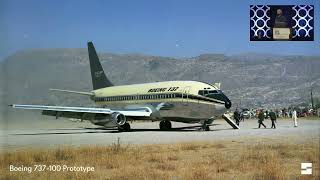
- 8:22Timeline of Boeing 737 MAX development
- 10:51Engine design challenges and MCAS introduction
- 15:02Type ratings and pilot training in aviation
- 17:52Boeing's decision to hide MCAS from pilots
- 20:42Manual overrides and pilot control systems
- 22:05Lion Air Flight 610 crash analysis
- 26:40Ethiopian Airlines Flight 302 crash analysis
- 30:32Summary of events and root causes
- 31:14Teaching users about system inner workings
- 36:19Ensuring users know what is happening in systems
- 40:11Levels of automation and manual overrides
- 42:18Redundancy failures in the design
- 45:05Change management and system modifications
- 47:08Legacy systems and corporate decisions
- 48:10Corporate culture and engineering ethics
- 49:35Our role as the last line of defense
- 50:16Closing remarks and Q&A
related talks
 01h 01mThe 737 MAX: Human Factors in Complex System
 34mTaking the 737 to the Max
 51mMayday Mark 2! More Software Lessons From Aviation Disasters.
 01h 15mSystem Crash, Plane Crash: Lessons from Commercial Aviation and Other Engineering Fields
 15mDiscussion of Aviation Software Oversight Improvement
 36mKeynote: The Future of Software
 01h 31mOn the Future of Flight Software
 46mA Systems Approach to Safety and Cybersecurity