Taking the 737 to the Max
summary
Clear timeline of engineering and business choices that create failure: Boeing chooses to keep a common type rating and squeeze larger CFM LEAP engines onto an old low-slung airframe, adds MCAS as a software workaround, and certifies it relying on a single AOA sensor and assumptions about single activations. Two erroneous AOA events lead to uncommanded nose‑down trim and two crashes killing 189 and 157 people (346 total). Fleet grounding forces a 1 year 8 month recertification, fixes include AoA agreement checks and single-activation limits, and regulatory delegation is tightened.
AI-written summary · about
chapters (8)
- 0:00Introduction and context
- 2:46The story of Lion Air 610
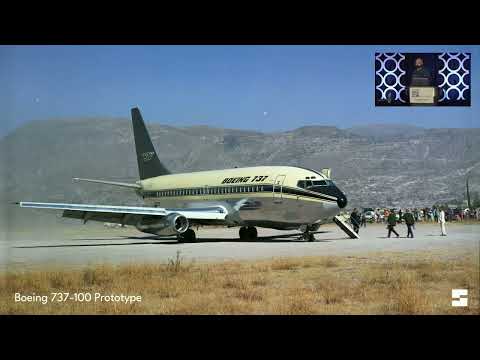
- 10:59Boeing and the 737 history
- 13:25The origin of MCAS
- 19:11Design flaws and failure
- 25:03The second tragedy
- 26:13Systems thinking analysis
- 30:12Takeaways and resilience
related talks
 32mTaking the 737 to the Max
 35mTaking the 737 to the MAX!
 01h 01mThe 737 MAX: Human Factors in Complex System
 51mThe Boeing 737 MAX: When Humans and Technology Don't Mix
 01h 01mThe Boeing 737 MAX: When Humans and Technology Don't Mix
 56mLearning from Disaster
 26mThe top IT failures in history
 53mMayday Mark 2! More Software Lessons From Aviation Disasters.