The 737 MAX: Human Factors in Complex System

summary
A design workaround adds larger forward-mounted engines that increase nose-up tendency, so Boeing implements a software fix called MCAS that reads angle-of-attack inputs and drives the horizontal stabilizer. After removing a redundancy and boosting MCAS authority it can move trim over four times farther than originally analyzed, MCAS activates from a single faulty AoA sensor, pilots receive no documentation or type‑rating training to avoid retraining costs, and two failures kill 189 and 157 people, grounding 387 jets and costing at least $7.3 billion.
AI-written summary · about
chapters (22)
- 0:00Introduction and speaker background
- 1:50What is human factors engineering
- 3:36Life critical systems overview
- 5:02737 MAX crashes and impacts
- 7:09Timeline of the 737 MAX development
- 9:37Engine design changes and MCAS introduction
- 13:03Type ratings and training simplification
- 15:52Boeing's decision to hide MCAS
- 17:39Manual override systems in the cockpit
- 19:25Lion Air Flight 610 crash analysis
- 23:14Ethiopian Airlines Flight 302 crash analysis
- 25:44Summary of the two crashes
- 26:27When to teach users about complex systems
- 29:17Performance versus knowledge curve
- 31:49Boeing's flawed safety assumptions
- 32:30Ensuring users recognize system issues
- 36:44Levels of automation in systems
- 38:52Redundancy and single points of failure
- 42:04Change management and MCAS modifications
- 44:11Retiring legacy systems and compromises
- 44:53Developers' responsibilities in safety
- 47:00Q&A session introduction
related talks
 51mThe Boeing 737 MAX: When Humans and Technology Don't Mix
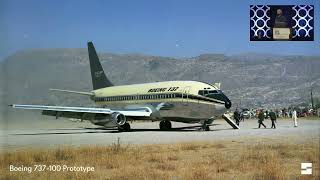 34mTaking the 737 to the Max
 15mDiscussion of Aviation Software Oversight Improvement
 51mMayday Mark 2! More Software Lessons From Aviation Disasters.
 01h 15mSystem Crash, Plane Crash: Lessons from Commercial Aviation and Other Engineering Fields
 01h 31mOn the Future of Flight Software
 46mA Systems Approach to Safety and Cybersecurity
 36mKeynote: The Future of Software