Narrative Changes on Disability
summary
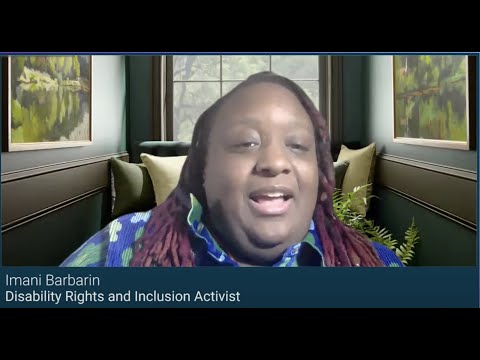
Argues that accessibility benefits everyone, cites COVID-driven remote tools as proof that long-requested accommodations actually work, and warns employers are retracting them as offices reopen. Calls out that 99% of the web is inaccessible, insists accessibility is legally required (ADA baseline), and urges design for abundance not just minimum compliance. Recommends transparent recruitment and pay/health details for disabled research participants, grassroots organizing to force top-down change, and normalizing accessible assets in communications.
AI-written summary · about
chapters (16)
- 0:00Introduction and speaker introduction
- 1:06Historical erasure of disability narratives
- 3:40Accessibility benefits everyone
- 6:54Workplace culture and remote work
- 9:01Fear of retribution for accessibility requests
- 13:07Accessibility as a symbol of lacking
- 18:33Accessibility is legally required
- 22:35Digital accessibility and societal oversight
- 25:56Universal design and cultural accessibility
- 29:58Grassroots organizing for accessibility
- 32:51Internalized ableism and self-care
- 36:09Q&A on disability history books
- 38:47Q&A on burnout and self-care
- 40:14Q&A on language barriers
- 42:52Q&A on recruiting disabled research participants
- 46:23Q&A on grassroots vs top-down accessibility
related talks
 06mWhy Accessibility is a Tool to Build Better Products
 31mAccessibility Is Something We Improve: The Ideal Society I Aim For from the Perspective of a Person with Visual Impairment
 22mKeynote: Moving from Awareness to Action: Creating Inclusive and Accessible Experi...
 42mAccessibility is for everyone, including you!
 19mAccessibility isn't hard; getting people to see it's easy can be with Sarrah Vesselov
 28mBuilding in accessibility for broader value to all
 40mThe Importance of #a11y-ship
 03mIt's spelled "accessibility," not "disability"