Delivering agility at McDonald's with microservices transformation

summary
McDonald’s migrates its global e‑commerce to microservices on AWS using Docker on Kubernetes (Kops), Lambda, Step Functions, S3, SQS, Aurora/Dynamo, Kinesis and Terraform. The US platform goes live Aug 1 with 100% of US customers transacting after a canary release; it targets 250,000 API requests per minute and supports 37,000 restaurants and 64.4M daily transactions. A CI/CD pipeline with Jenkins and automated tests cuts environment build time from months to ~6–7 hours enabling push-button deploys and service isolation across 120 markets.
AI-written summary · about
chapters (14)
- 0:00Introduction
- 0:40Context
- 11:55Challenges
- 13:30CapJam
- 15:32Technical challenges
- 16:42Pressure control
- 18:01Right sizing
- 19:30How to tie microservices to critical business initiatives
- 23:02Emerging trends and technologies
- 29:07Deployment timeline
- 29:59Business value
- 31:54Security
- 34:29New features
- 36:11Wrap up
related talks
 21mDelivering Digital to a Fast Food Company
 39mMicroservices & Kubernetes in a High-demand Environment: The Experience
 27mMicro-transformation
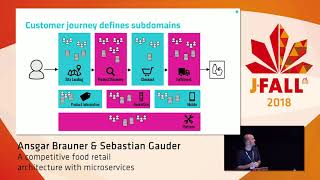 51mCompetitive retail architecture with microservices
 28mNavigating the Transition: SRE Challenges and Highlights
 38mCloud Microservices to Serve the Next Billion
 34mMicro-services for a Billion people
 29mMoving from A and B to ~150 microservices, the journey and learnings