Embrace Your Inner Imposter
summary
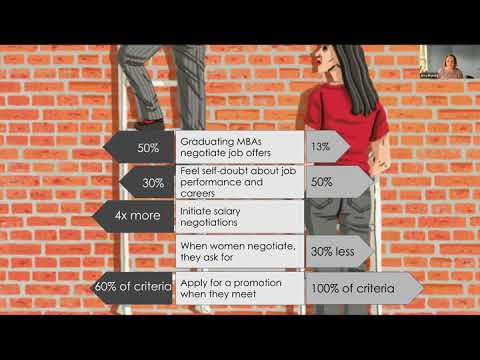
Claims that imposter feelings persist despite clear accomplishments and that about 85 percent of people experience them; evidence cites Harvard Business Review findings that women negotiate job offers four times less and often ask for less pay. Tools are concrete: controlled exposure (karaoke anecdote), personify your fear (Bogart/cheerleader mental imagery), and a coach’s mental-placement trick. Techniques are presented as usable now and are shown to work in personal anecdotes.
AI-written summary · about
chapters (13)
- 0:00Introduction to talk
- 1:22What is imposter syndrome
- 4:28Who imposter syndrome affects
- 6:12Workplace manifestations
- 9:21Career impact examples
- 11:07Common advice critique
- 13:54Managing fear long-term
- 14:36Embrace your whole self
- 16:41Making fear a friend
- 17:22Personifying courage and fear
- 20:34Fueling your confidence
- 23:20Recognizing inner courage
- 24:03Q&A on imposter syndrome
related talks
 56mThere’s an Imposter in this room!
 55mImposter Syndrome: Overcoming Self-Doubt in Success
 26mThe Impostor’s Guide to Tooting Your Own Horn
 35mThe impostors guide to tooting your own horn
 13m5 1/2 things you can do about imposter syndrome
 32mDealing with Imposter Syndrome
 30mTips for Fighting Impostor Syndrome
 53mThe Impostor's Guide to Tooting Your Own Horn